Tiger Heart, by Katrell Christie and Shannon McCaffrey #review #TLCBookTours

About the book, Tiger Heart Tiger Heart

Paperback: 232 pages

Publisher: HCI (October 6, 2015)

Katrell Christie never intended to visit India. In fact, her ideal vacation was a tropical beach where she could relax with a margarita in her hand. But when this former art student turned roller-derby rebel met three teenage girls at a crowded Buddhist orphanage in Darjeeling, she knew she had to help. What started as a trip made on a whim would prove to be a life-altering experience that would change the fate of these lost girls.

In her new book, Tiger Heart: My Unexpected Adventures to Make a Difference in Darjeeling and What I Learned About Fate, Fortitude, and Finding Family Half a World Away (October 2015), Katrell tells her remarkable story – from her quirky Atlanta tea shop to her fight for her young scholars halfway around the globe. Two scholars in the program are set to graduate from college and move on to pursue advanced degrees.

Most of the girls Katrell met in India faced grim futures as laborers or domestic servants. Some might have been relegated to lives of sexual exploitation. For them, she founded The Learning Tea, which has offered scholarships to 15 young women in Darjeeling, providing them with tuition, housing, clothing and medical care.

Katrell has us sipping tea with her at roadside tea huts, tasting hot samosas, dodging feral monkeys, and roaming the chaotic streets of Mumbai. The smells of small villages waft from the pages as we accompany her on her riveting and sometimes hilarious adventures across the globe in her mission to empower the young women who have become a part of her family. Join us in experiencing then sharing the inspiring story of one woman and her mission to make a difference through the power of educating girls.

Buy, read, and discuss Tiger Heart

Amazon | Books-A-Million | Barnes & Noble


About the authors, Katrell Christie and Shannon McCaffrey KattrellChristie

Katrell Christie is the founder and owner of The Learning Tea, a project which provides schooling and a safe haven for impoverished young women in India. Through her efforts with The Learning Tea, Ms. Christie has changed the lives of many women living in Darjeeling, India. Visit TheLearningTea.com for more information.

Shannon McCaffrey is an award-winning reporter focusing on investigative stories for The Atlanta Journal-Constitution. She is an avid reader, a mother, and a runner.


My Thoughts MissMeliss

I have a ‘thing’ for memoirs – people’s personal stories. They always intrigue me. It’s a few levels above watching people on a bus or in a cafe and wondering what their stories really are.

In the case of Tiger Heart, I found Katrell Christie’s story to be very compelling. So often, we read about people who are going out into the world and doing good things, and their focus is on boys. This woman saw a need: educating girls, and she turned it into a personal mission. As a woman, as a feminist, as a citizen of the world, I really like that.

I also liked reading her memoir. It’s funny, candid, and completely honest. It could have sounded like an academic treatise; instead, it reads as if your best girlfriend is telling you about her latest exciting adventure.  This should in no way imply that the book is intellectually light. It is NOT. Christie and McCaffrey are honest about the predicament of girls in Darjeeling, and about their defeats – having to close a center, going home feeling as if failure had occurred.

Except there was no failure. Lives were changed, girls’ futures were improved, and I suspect Katrell Christie’s life is far richer for the experience than it ever would have been, otherwise.

Read this book if you want an uplifting message, one of hope and hard work.

Goes well with chicken tiki masala and cucumber water.


TLC Book Tours TOUR STOPS for Tiger Heart: TLC Book Tours

Monday, September 28th: Bookchickdi

Wednesday, September 30th: Run Wright

Thursday, October 1st: Lit and Life

Monday, October 5th: Read. Write. Repeat.

Tuesday, October 6th: The Things We Read

Monday, October 12th: Dreaming Big Blog

Wednesday, October 14th: Raven Haired Girl

Thursday, October 15th: A Bookish Affair

Friday, October 16th: Broken Teepee

Wednesday, October 21st: The Reading Cove Book Club

Wednesday, October 21st: #redhead.with.book

Monday, October 26th: A Book A Week

Monday, October 26th: Svetlana’s Reads and Views

Friday, October 30th: Bibliotica


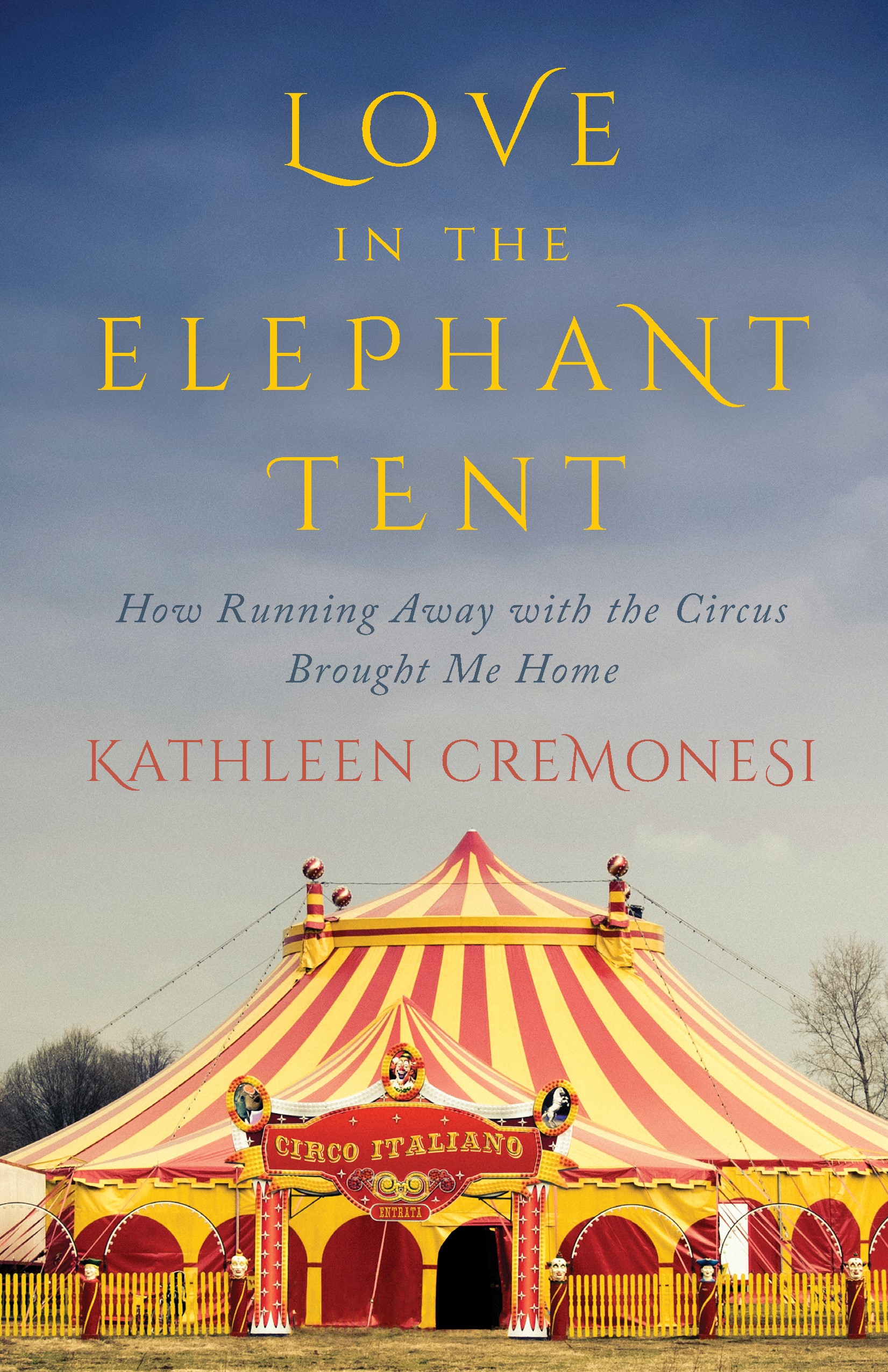
Love in the Elephant Tent, by Kathleen Cremonesi (@KatCremonesi) #review #QandA @ecwpress

About the book Love in the Elephant Tent Love in the Elephant Tent
  • Hardcover: 400 pages
  • Publisher: ECW Press (May 12, 2015)

f you live life without a net, what happens when you fall?

Kathleen Cremonesi knew early on she wanted to be different. Determined to avoid following in her mother’s footsteps to an ill-fated marriage, Kathleen left Oregon in her early 20s to travel across Europe. On a whim, this former administrative assistant with wanderlust took a job as a dancer in an Italian circus and, working her way up, became an ostrich-riding, shark-taming showgirl.

Kathleen bonds with the exotic animals that could strike and kill at any moment, but instead bring her a peace she has never known. And when she stumbles into the arms of Stefano, the sexy elephant keeper, she finds a man who understands her wild spirit.

With thrilling prose and vivid descriptions, Kathleen takes the reader around the Mediterranean, where she discovers unexpected friends and learns how to cook, forgive, and love — across language barriers.

Buy, read, and discuss Love in the Elephant Tent

Amazon | ECW Press | Goodreads


My Thoughts Melysse_Bandanna

I love memoirs and autobiographies, but I always feel a bit weird about reviewing them, as if I’m passing judgement on the person’s life, rather than just their book. In this case, however, I was enthralled by the author, Kathleen Cremonesi, herself and by the manner in which she tells her story. Truly, I wish I could sit down and share a cup of coffee or a beer and some vegan pizza with her.

If you didn’t know this was a memoir, you would probably think Love in the Elephant Tent was a novel with a first-person POV. At times it reads like one: a young woman from an unconventional (but loving) family leaves home and spends several years exploring the world – college, being a groupie for the Grateful Dead, backpacking (and fruit picking) around Europe, and finally landing at a circus, where she’s hired as a kitchen helper and swing for the dancing girls, and ends up falling for the elephant trainer (and his elephants). I mean – no one’s actual life could be that eventful and interesting…could it?

But Kathleen’s life was that eventful and interesting, and she tells her story candidly, building a slow crescendo to the peak of her involvement with the circus and Stefano, and then letting us down slowly through the next phase of her life, only to repeat the process.

As a performer myself, and one who cut her teeth in improv, I have a special fondness for circus stories, because a lot of the same skills that apply to improv also apply to things like clowning, or, really, to any kind of live performance. That Kathleen’s story also involves a lot of cooking dovetails nicely, because what is cooking, really, but kitchen improv and kitchen chemistry, combined?

If you love the circus, you will love this memoir. If you hate this circus, you will still love this memoir. If you have ever wanted to blow off your real life and go join the circus (please, don’t…it’s NOT as fun as it sounds) you will learn a lot from this memoir and then you will curl up in your bed, surrounded by clean sheets and stable electricity, and be glad that, for you, the circus is just a fantasy.

Kathleen Cremonesi should consider writing fiction. Or another memoir. Or something.  Her writing voice is as interesting and rich as the experiences she shares in this book. She may have found love in the elephant tent; I found a fascinating woman in the pages of a book.

Goes well with pasta, cooked al dente with homemade ragu.


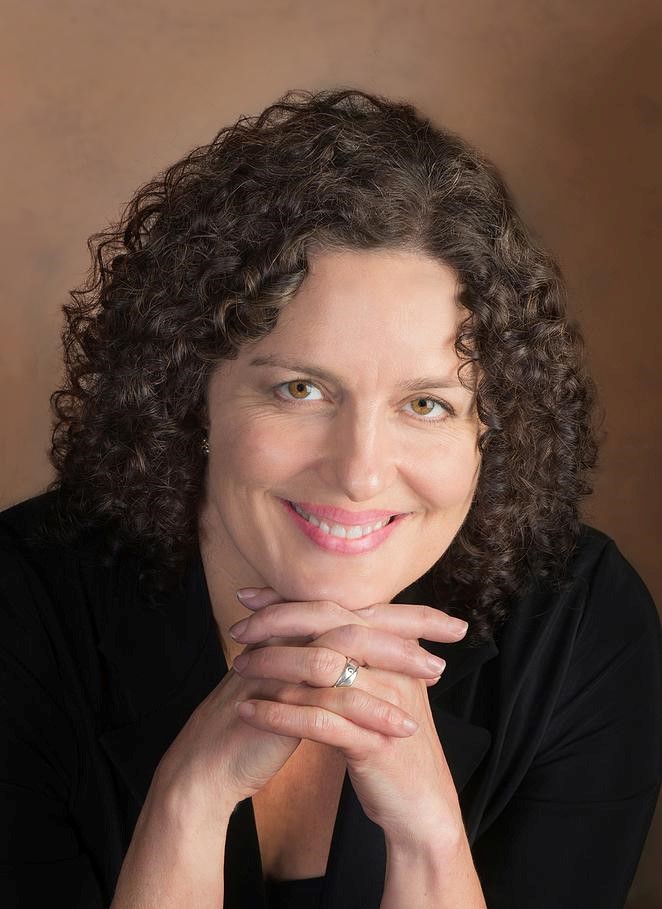
Q&A with the author, Kathleen Cremonesi Kathleen Cremonesi

Kathleen, for people who haven’t yet read LOVE IN THE ELEPHANT TENT, give us your “elevator speech.” (If you were introducing yourself to other passengers in an elevator car, what would you say?)

Imagine My Big Fat Greek Wedding crashing into Eat, Pray, Love on the set of Water for Elephants. Love in the Elephant Tent is a coming-of-age adventure and an intimate portrayal of young love, where Kathleen and Stefano learn to navigate their cultural differences, shed youthful concepts of romance, and form a life-long bond.

A lot of people fantasize about running away to join the circus, but you actually did it, if not entirely purposefully. What advice would you offer to others who have that fantasy?  

That’s a great question, Melissa. Most important: either be fully aware of what you’re getting into or be ready and willing to dive into anything. Circus life is not for anyone who is queasy, lazy, or unable to adapt to whatever life throws their way.  The other element I would mention is to know how you feel about using exotics and other animals in that sort of atmosphere. If you don’t believe that any animal should live in those conditions, then you’re bound to have your heart broken daily if you find yourself in an animal-centric circus.

Can you describe a typical day in your life?

The best thing about the circus for me was that nothing about it was typical. The worst thing about the circus is that everything was typical! As I explain in Love in the Elephant Tent, living in the circus was like twirling around on a carousel – spinning, spinning, spinning through ever-changing scenery, yet everything within my immediate reach never seemed to change a bit.

Every morning, I’d make breakfast for the exotic animals, perhaps run to the grocery store or do some other shopping, return to the circus for lunch, prepare the afternoon meal for the exotic troupe, and get ready for the show – which usually started at 4:00 pm unless it was a Sunday or holiday schedule. Once the show started, that was everyone’s focus until it ended – which was around 11 pm. Sometimes we’d head out for a bite to eat or drinks, but usually it was straight to sleep so we could get up bright and early and do it all over again. And again. And again.

Because we were always on the move, we often set up in half a dozen or more towns every month. One day, I might perform those duties in the shadow of a Roman ruin; another day I might be surrounded by dilapidated apartments or a snowcapped alpine mountain range. But the circus has a way of complicating things. No matter where we were, the element of surprise hovered over our every move. Animals escaped. Weather didn’t cooperate. People were injured. Toss in some oversized personalities, and you have… well, a circus!

A few years ago, I had the opportunity to interview Johnathan Lee Iverson, one of the Ringling Bros. ringmasters. He gave a list of the way circus life is different from the “real” world:

“…-Don’t mean to brag, but, sometimes I feel like I live in an alternate universe…
-In your world women are still struggling to make head way in the work place, in mine they run the show from top to bottom….
-In your world diversity is still an issue, in mine every hue can be seen and over 10 different nations convene daily
-In your world parents are overworked and clueless about their kids, ours are at arm’s length 24/7 even when they’re in school…”

I’d love to know if you agree or disagree with those points, and if so why/why not?

Wow. He definitely lived in an alternate universe from the one I experienced. We lived in different circuses in different countries, but that may not be what’s behind our varied experiences. My guess is that it had to do with our position within the circuses we lived in.

In the two European circuses I experienced, when women were out front, it was only in image, and only in form-fitting or skin-baring costumes. The men ran the business, top to bottom, front to back.

I can agree with Mr. Iverson that many diverse nations convened daily on the circus lot, but they were not on equal footing. It is my experience that one’s position in the circus was based on first: who you were (family, nationality, gender); second: what you contributed to the circus (management, artist, back-up performer, grunt); and third: how well you provided that service.

In Italy’s Circo Moira Orfei, where I spent over 2 years, there were workers from many countries, including Italy, Spain, Germany, Bulgaria, Russia, Mexico, Yugoslavia, Morocco, Tunisia, Egypt, India…

Upper management was all family. Then came general management: all Italian, but not necessarily family.

Artists were almost always European, though Moira’s circus had a liaison with the Russian Circus Federation at the time, so we also had a selection of Russian performers. I recall only one performer outside of Europe and Russia, and he was a Mexican trapeze artist.

Back-up performers (dancers) were usually wives or daughters of other performers and higher-up workers (Italian employees, crew captains, etc.). That’s how I was allowed into the performance ring: my then-boyfriend, Stefano, was Italian and a crew captain, so I was invited to be a part of the show. Other women were not. There were many Polish women who worked there, and their jobs were limited to such positions as seamstress or laundry duties. I recall a beautiful Moroccan girl who worked there at the same time I did – she washed pots in the kitchen.

As far as those workers in charge of their crews (animal crews, big-top crews, or the mechanical crews), 99% were European – mostly Italian with a few Germans thrown in.  The other 1% consisted of one Egyptian and one Indian worker who had both been there many years and had proven their loyalty and their worth, so each of them were treated a little better than your average grunt.

And the grunts – well, few of them lasted long enough to make much of a life out of the circus. Many were illegal workers, and life was tough for them. Really tough. Pay was next to nothing. Stefano, who was a better-paid Italian crew-captain, earned around $20/day plus room and board for working an average of 16 hours and being on call 24 hours a day.

My apologies if I’ve gone on too long here, but the inequality I saw in the circus between men and women, family and outsiders, Europeans and Third-World workers, is still fresh in my mind, even after 25 years.

One thing I can agree with Mr. Iverson on is how families lived closely with each other. As far as the parents being overworked or not, well, that depends on what the parent did for a living and what the circus Gods decided to dish out on that particular day. But whatever it was, their kids were right there beside them, whether it was feasting on seaside delicacies when the circus set up beside the Mediterranean, slogging through knee-deep mud trenches when torrential rains flooded the lot, or keeping the elephant tent from collapsing on the animals in a wind storm.

The use of animals in circuses is not without controversy. The Big Apple Circus, for example, uses only those animals that have always been ‘working’ animals (horses and dogs). Ringling Bros. recently announced that they’re phasing out their elephant acts. As someone who has worked with these animals, how do you feel about their use in the entertainment industry?

I feel even more strongly about how poorly animals were treated, but I’ve just gone on at length about how I felt about the Third-World workers were treated, so let me just say that the animals’ lives were worse. I believe that no exotic animals, or caged domestic animals, should be part of a traveling show. Even if an animal isn’t whipped into submission (and beatings certainly happen in such situations), I believe that it is a serious form of abuse to keep them in such confines. For instance, wild elephants have been known to roam up to 50 miles a day, yet the 13 elephants in the two circuses I worked in were usually kept chained to wooden decks for over 23 hours a day. Who in their right mind can say that such treatment is ethical?

When writing a memoir there’s always a balancing act between being true to the story and being respectful of the real people involved. Did you find yourself struggling at all with that when you wrote LOVE IN THE ELEPHANT TENT?

Absolutely. As tough as it was to write intimate details about myself, it was perhaps even more so to write them about others. But I believe that I have a right to share my story – which I couldn’t do without sharing at least a portion of others’ lives as well. To my knowledge, the only secrets I exposed were my own.

In a perfect world, everyone in the book would have had the opportunity to read what I wrote and respond – correct potential inaccuracies, offer a counter opinion – and some were given that opportunity. Unfortunately, my Italian is no longer good enough to translate the nuances of my English prose, so it was difficult for me to offer the same opportunity to those who do not read English well.  Some of them know about the book, some do not. I don’t expect all of them to welcome its existence, or to agree with my version of events. But no matter what I thought about them or their actions during the period of my life this book covers, I tried to be fair and accurately represent everyone and the events that took place.

Is there anything you really wanted to include in the book, but had to cut because of length or story flow? If so, can you share?

Love in the Elephant Tent
Of course! I condensed two and a half years into fewer than 400 pages, so there are many, many events that were left out – some of which were written and then cut from the book at some point, and some that never made it onto paper. Most significant, I suppose, are the two months I spent between my arrival in Europe in early October and when I joined the first circus in December.  Without those experiences, I never would have joined the circus and had the opportunity to fall in love with Stefano.

What one thing do you hope readers will take away from their experience with LOVE IN THE ELEPHANT TENT?

How vital it is for them to get out in the world and discover who they are, what’s important to them, and how they’re going to achieve it day-to-day. To live an authentic life, whether it’s in their hometown or across the world. To Be Here Now, take life one day at a time. To find that moment when the past falls away and the present is all there is, all that matters.

But most of all, to open their heart to love – whether friendly, familial, or romantic love – and keep it open, even when the going gets tough.

What’s next for you?

I suppose that depends on how Love in the Elephant Tent makes its way into the world. I certainly love to write and there are always those stories from my first months in Europe – not to mention my adventures while following the Grateful Dead around the U.S. Perhaps there will be more interest in what took place between when Stefano and I arrived in the U.S. in 1991 and today… or some of the interesting family members from past generations. I think I’m more inclined to write non-fiction, and I’ve already written stories from all of the above periods, so it really depends on what might spark readers’ – and my own – interest.

I also love to travel and write about food, so I could be perfectly happy spending some time researching my next project, one that has nothing to do with my past, sampling life’s flavors in some exotic locale.

But that’s not to say there’s only writing in my future. I feel so strongly about keeping elephants and other exotics out of the circus that I’d gladly spend some time promoting such a cause if the opportunity arises.

Connect with Kathleen

Website | Facebook | Twitter


Kathleen Cremonesi’s Blog Tour Stops BlogTour-ElephantTent

June 15, 2015: Review and Giveaway, Always Packed for Adventure (http://www.alwayspackedforadventure.com/).

June 17, 2015: Review and Excerpt, Book Bug (http://bookbug2012.wordpress.com).

June 18, 2015: Review and Q+A, The Book Binder’s Daughter (http://thebookbindersdaughter.com).

June 19, 2015: Review, Excerpt and Giveaway, Caffeine and Books (https://caffeineandbooks42.wordpress.com/).

June 22, 2015: Review and Excerpt, Fictional Real World (http://www.fictionalrealworld.blogspot.ca/).

June 24, 2015: Review and Photos, We Peas Read (https://wepeasread.wordpress.com/review-policy/).

June 26, 2015: Review and Q+A, Bibliotica (http://bibliotica.com).

Smash Cut, by Brad Gooch #review @TLCBookTours

About the book, Smash Cut Smash Cut

  • Hardcover: 256 pages
  • Publisher: Harper (April 14, 2015)

Brad Gooch, the author of the acclaimed City Poet, returns with a searing memoir of life in 1980s New York City.

Brad Gooch arrived in New York in the 1970s, eager for artistic and personal freedom. Smash Cut is his bold and intimate memoir of this exhilarating time and place, complete with its cast of wild bohemians, celebrities, and budding artists, such as Robert Mapplethorpe, William Burroughs, and Madonna. At its center is his love affair with film director Howard Brookner, recreated from fragments of memory and a crosshatch of conflicting emotions, from innocent romance to bleak despair.

Gooch and Brookner’s intense relationship is challenged by sex and drugs, and by a culture of extreme experimentation. As both men try to reconcile love and fidelity with the irresistible desire to sample the legendary abandon of the era, they live together and apart. Gooch works briefly as a model in Milan, then returns to the city and discovers his vocation as a writer.

Brookner falls ill with a mysterious virus that soon has a terrifying name: AIDS. And the story, and life in the city, is suddenly overshadowed by this new plague that will ravage a generation and transform the creative world. Gooch charts the progress of Brookner through his illness, and writes unforgettably about endings: of a great talent, a passionate love affair, and an incandescent era.

Beautifully written, full of rich detail and poignant reflection, recalling a city and particular period and group of friends with affection and clarity, Smash Cut is an extraordinary memoir and an exquisite unflinching account of an epoch.

Buy, read, and discuss Smash Cut
Amazon | Barnes & Noble | IndieBound | Goodreads


About the author, Brad Gooch Brad Gooch

Brad Gooch is the author of the acclaimed biographies City Poet and Flannery: A Life of Flannery O’Connor, as well as other nonfiction and three novels. The recipient of National Endowment for the Humanities and Guggenheim fellowships, he earned his Ph.D. at Columbia University and is professor of English at William Paterson University in New Jersey. He lives in New York City.

Find out more about Brad at his website.


My Thoughts

Smash Cut is subtitled, “A Memoir of Howard & Art & the ’70s & the ’80s,” and really that subtitle is both a perfect description, and a string of words that says very little, because while Brad Gooch’s book does cover all of those things, in a delightfully rambling fashion full of celebrity namedropping and lovely (and sometimes poignant) tangential anecdotes, it focuses on the author’s longterm relationship with Howard Brookner.

One could even go so far as to call it a love story.

It is, however, a love story that feels like a conversation (or several conversations), that explains place and time, lets us glimpse at the culture – general, gay, and celebrity culture – of the decades in question, and drops us into the dawn of the AIDS epidemic in a way only And the Band Played On and The Normal Heart have done before.

Gooch’s writing is engaging and honest. His comic timing is perfect, his sense of pathos equally so – as they should be, because he’s relating his own story, through a slightly misty lens.

Even though I’m a couple of decades younger than Mr. Gooch, I was familiar with a lot of people he mentioned, so it was interesting seeing them through his eyes, especially as most of them were relatively young at the time. Mentions of the artist Robert Mapplethorpe, in particular, really struck me, because I consider my 21st-birthday visit to his (posthumous) art show one of the final ‘coming of age’ moments of my own life.

If I came away from this memoir with any one grain of truth, or piece of insight, it’s the reminder that love is universal, and should be embraced, and enjoyed for as long as possible.

You don’t have to be gay or a man to enjoy Smash Cut. (I’m neither.)
You do have to be willing to treat it as though a friend of a friend is telling you their story… a story you may have heard a couple of bits of, but never from the source. A story of fame and art and two really interesting decades of the twentieth century.

It’s a love story.
Let’s leave it at that.

Goes well with an ’80’s style champagne brunch on the deck.


Brad’s Tour Stops TLC Book Tours

Tuesday, April 7th: missris

Wednesday, April 8th: Freda’s Voice

Thursday, April 9th: Sophisticated Dorkiness

Monday, April 13th: Inner Workings of the Female Mind

Thursday, April 16th: In the Garden of Eva

Tuesday, April 21st: Bell, Book and Candle

Thursday, April 23rd: Bibliotica – That’s ME!

Monday, April 27th: Reviews by Amos Lassen

Tuesday, April 28th: Conceptual Reception

Wednesday, April 29th: Queerly Seen

Thursday, April 30th: Satisfaction for Insatiable Readers

Friday, May 1st: Thoughts on This ‘n That

Thursday, May 21st: Raven Haired Girl

Date TBD: Wordsmithonia

Life in General, by Becca Rowan (@ravenousreader) #Review

About the book, Life in General Life in General

  • Publisher: CreateSpace Independent Publishing Platform (November 20, 2014)
  • Paperback: 358 pages

Approaching her 50th birthday in 2006, author Becca Rowan decided to explore her passage into mid-life through writing. She created a blog called Becca’s Byline, and soon connected with other women who were exploring questions about life, family, home, work, and pursuing their dreams.

LIFE IN GENERAL is a collection of essays reflecting on experiences familiar to women in midlife: the empty nest, becoming a grandparent, long term marriage, caring for aging parents, downsizing a home, changes in the workplace, finding a passion for living. Readers will connect with these thoughtful, humorous, and inspiring pieces, and find new hope and ideas to make their own particular lives more fulfilling.

Buy, read, and discuss Life in General

Amazon | Barnes & Noble | Direct from the Author | Goodreads


About the author, Becca Rowan Becca Rowan

Becca Rowan is a writer and creator of the blog Becca’s Byline. She is a senior editor at All Things Girl magazine where she writes about books, popular culture, and home life. She is also a musician, and performs as a pianist and as a member of Classical Bells, a professional handbell ensemble. Born and raised in southeastern Michigan, she currently lives in Northville (a suburb of Detroit) with her husband of 38 years, and their two pampered Shih Tzus, Magic and Molly Mei.

Connect with Becca

Website | Facebook | Twitter


My Thoughts

It’s not often that I get to review a book by someone I consider a friend, but Becca and I have been ‘blog buddies’ for years, and worked together at All Things Girl. Despite this, or maybe because of it, my review is an honest one, and, for the record, I paid for my copy of her book.

In a world where anyone can publish with relative ease, many people look down at self-published work. If you’re one of those people who recoils in horror when you see “CreateSpace” listed as a publisher, and therefore skip this book because of that, then I’m sad for you, because Becca’s collection of essays are candid, witty, beautiful glimpses into the life of a typical American woman, and as much as they are universal, they also prove that there really is no such thing as ‘typical.’

As a long-time reader of Becca’s blog, some of the material in Life in General, more correctly titled Life in General: an American woman reflects on midlife in the 21st century, was familiar to me, but her writing style – that of an old friend you’re meeting for coffee, or a favorite (and very young) aunt offering life-lessons – is so warm and engaging that even the familiar felt new, and the pieces I hadn’t read offered me wonderful insights into her personality and character.

But you don’t have to know Becca, or be familiar with her previous work, to enjoy this book. If you’re already over fifty, you’ll likely find yourself nodding in agreement at some of the things she relates – how her lifestyle has changed now that she and her husband are empty-nesters, for example. If, like me, you’re still a few years shy of fifty, there’s still a lot to appreciate. While her essays are exactly what she calls them: personal reflections, they are also full of ideas, advice, and little tidbits of daily life that make you go, “Hey, I should try that,” or, “wow, that sounds so cozy.”

More than just being an enjoyable read, however, I found that the process of carefully reading Becca’s work made my own fingers itch to be flying over a keyboard again, after weeks (at the time I read it, around Christmas of last year) of not feeling very ‘writey.’

And that’s what good writing does, I think. It educates. It inspires. It says, “hey, this is me and this is my story, but why don’t you tell me your story, too?”

Becca Rowan’s Life in General is really good writing.

Goes well with a pot of tea, a plate of buttery scones, a rainy day, and a dog or two to cuddle.

To The Stars, by George Takei (@GeorgeTakei) #review #autobiography @NetGalley

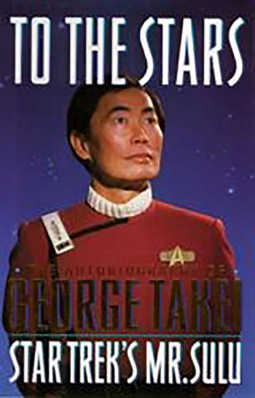
About the book, To the Stars: the Autobiography of George Takei To the Stars, by George Takei

  • Print Length: 416 pages
  • Publisher: Gallery Books (March 10, 2015)

Best known as Mr. Sulu, helmsman of the Starship Enterprise™ and captain of the Starship Excelsior, George Takei is beloved by millions as part of the command team that has taken audiences to new vistas of adventure in Star Trek®—the unprecedented television and feature film phenomenon.

From the program’s birth in the changing world of the 1960s and death at the hands of the network to its rebirth in the hearts and minds of loyal fans, the Star Trek story has blazed its own path into our recent cultural history, leading to a series of blockbuster feature films and three new versions of Star Trek for television.

The Star Trek story is one of boundless hope and crushing disappointment, wrenching rivalries and incredible achievements. It is also the story of how, after nearly thirty years, the cast of characters from a unique but poorly rated television show have come to be known to millions of Americans and people around the world as family.

For George Takei, the Star Trek adventure is intertwined with his personal odyssey through adversity in which four-year-old George and his family were forced by the United States government into internment camps during World War II.

Star Trek means much more to George Takei than an extraordinary career that has spanned thirty years. For an American whose ideals faced such a severe test, Star Trek represents a shining embodiment of the American Dream—the promise of an optimistic future in which people from all over the world contribute to a common destiny.

Buy, read, and discuss To the Stars: the Autobiography of George Takei

Amazon | Barnes & Noble | Goodreads


About the author, George Takei George Takei

Best known for playing Sulu on the original Star Trek TV series and six movies that followed, George Takei is unlikely social media royalty. Unofficially dubbed the King of Facebook, he counts 5.5 million fans in his online empire – including Trekkies, Howard Stern listeners, and the LGBTQ community – who devour his quirky mix of kitten jokes, Star Trek references, heartfelt messages, and sci-fi/fantasy memes.

An outspoken advocate for lesbian, gay, bisexual and transgender rights, Takei has used his unmistakable baritone in several satiric PSAs, including one in response to Tennessee’s infamous “Don’t Say Gay” bill that encourages viewers to say, “It’s OK to be Takei.”

His current projects include the musical Allegiance, drawn from his experience of growing up in Japanese American internment camps during World War II, and the recently published Oh Myyy! There Goes the Internet and Lions and Tigers and Bears: The Internet Strikes Back.

Connect with George

Website | Facebook | Twitter


My Thoughts

I saw this listed on NetGalley, and requested the digital ARC, not realizing this was just a re-release of the same autobiograpy Takei published in 1994, which I have in hardcover already. Still, it’s a good read – Mr. Takei’s life is incredibly rich and interesting and he tells his own story so well that anyone familiar with the cadence of his voice, whether from vintage reruns of Star Trek or from his more recent projects will hear the words in their head, and feel as though they are sitting at the knee of a family elder.

And really, especially since the loss of Leonard Nimoy, that’s what George Takei has become. If Nimoy was the honorary grandfather of all us fans, then Takei is our honorary uncle, the one who has no filter, who looks for the humor in everything, and who, in spite of everything he’s experienced, or seen others experience, still sees hope and possibility and the best in all of us.

That sense of hope and possibility is woven into every line of this autobiography. We see young George bond with a stray dog in the internment camp where he and his family were forced to stay, share his first experience with Mexican food (something that impressed me – having grown up in Colorado and California, I can’t remember a time when I wasn’t reasonably familiar with Mexican food) and culture, feel the nervousness and later the thrill at his first taste of acting, and go through the realization that he’s gay, but even when he’s sharing the darkest parts of his life, there’s still that glimmer of positivity, that ray of hope.

If you, as I did, grew up on reruns of the original Star Trek, came of age during the movie era, and were gifted with TNG only after you were mostly-grown up, you will likely enjoy this autobiography in the same fashion you would any family story, even if that family is only one of spirit, and not blood.

If you are younger, and know Mr. Takei through his activity on Facebook and Twitter (where, I confess, he is a great favorite of mine, even though I’m rarely brave enough to interact with him), you will enjoy this book because it shares where he came from, and adds context to many of the things he talks about.

Either way, To The Stars is an interesting, engaging read, from a man who will probably never run out of stories to tell or silly memes to share.

Goes well with A homemade burrito and a glass of chilled horchata.

Life from Scratch, by Sasha Martin (@globaltable) #review @tlcbooktours #giveaway

About the book, Life from Scratch Life from Scratch

  • Hardcover: 336 pages
  • Publisher: National Geographic (March 3, 2015)

It was a culinary journey like no other: Over the course of 195 weeks, food writer and blogger Sasha Martin set out to cook—and eat—a meal from every country in the world. As cooking unlocked the memories of her rough-and-tumble childhood and the loss and heartbreak that came with it, Martin became more determined than ever to find peace and elevate her life through the prism of food and world cultures. From the tiny, makeshift kitchen of her eccentric, creative mother to a string of foster homes to the house from which she launches her own cooking adventure, Martin’s heartfelt, brutally honest memoir reveals the power of cooking to bond, to empower, and to heal—and celebrates the simple truth that happiness is created from within.

buy, read, and discuss Life from Scratch

Amazon | Barnes & Noble | IndieBound | Goodreads


About the author, Sasha Martin Sasha Martin

SASHA MARTIN is an award-winning writer and blogger who spent almost four years cooking her way around the world. Her work has been featured on NPR (Travel with Rick Steves), Whole LivingBon AppetitThe SmithsonianThe Huffington Post, CNNgo, and Food52. Her website, Global Table Adventure, is a go-to hub for foodies around the world.

Connect with Sasha

Website | Facebook | Twitter


My Thoughts

When this book showed up on my doorstep in the middle of an ice storm, I was pleasantly surprised to find that instead of an ARC, which is typical for someone participating in a book tour, I’d received the actual hardcover edition. I confess, I was so excited about it that I hugged it to my chest, and I’ve been reading and re-reading it ever since.

It’s a really wonderful book.

Memoirs are tricky things, riding the line between pure fact and ‘creative’ non-fiction. Even the most interesting person can come off as dry and boring if they don’t have a good writer’s voice. Sasha Martin, who honed her voice with a popular blog (which, I confess, I’d never visited until I read Life from Scratch, despite it being right up my alley), never seems dry or boring, though at times the situations she was in, whether by her own design or precipitated by others, made me want to reach into the book and throttle people.

When you have that visceral a reaction to words on a page, you KNOW it’s a good story.

And Sasha’s story, while sometimes dark, and a bit overloaded with disappointments, is a truly interesting, fairly candid account of her life, her coming of age, her relationship with family, food, and cooking.

As the daughter of a single mother, many elements of Sasha’s story were familiar to me, though I’m very lucky that, if my mother and I were ever in any situations half as dire as hers, I was never aware of it. Still, the comfort of cooking, the pops and sizzles, burbles and whistles of kitchen noises, the enticing aromas of different spices, and the gradual understanding of how those spices work with each other…those are nearly universal, and she describes them so well, that at times I wanted to reach out and steal her slice of raisin cinnamon toast “pizza.”

As Sasha’s memoir (and forgive me for referring to her by first name, but reading her book really makes you feel like you’ve met her) approaches her contemporary life, the mellowing, the settling, of her personality and the way it conflicts with the ingrained wanderlust of her childhood felt all too familiar. I know what it’s like to constantly be uprooted, to always be the new kid, to never quite belong, and though our circumstances are radically different, I think it’s this familiarity that made this book resonate with me so deeply.

That said, even if you’ve never been the child of a single parent, and never found that a favorite food from childhood (and one said single mother invented out of necessity) has lost its appeal to your adult palate – even if you’ve lived in one place your entire life, I think Martin’s book will still appeal to you. Why? Because food and cooking are universal elements of community. Because her recipes are nearly intoxicating on the page, and the itch to try them is almost palpable.

Because this is a well-written, well-crafted love story to youth and family and to the concept of the kitchen as the heart of a home, and to not read it would be to miss out on a very rare treat.

Goes well with homemade pizza made on raisin bread, and a glass of horchata.


Giveaway

One lucky reader (US only) will win a copy of Life from Scratch for their very own. How? Tweet the link to this review (tag @Melysse on Twitter), or comment on this post. Winner will be selected by random drawing on the night of Sunday, March 22, and announced on Monday, March 23.


Sasha’s Tour Stops TLC Book Tours

Tuesday, March 3rd: Books on the Table

Thursday, March 5th: The Well-Read Redhead

Friday, March 6th: girlichef

Monday, March 9th: Patricia’s Wisdom

Tuesday, March 10th: A Bookish Way of Life

Wednesday, March 11th: Bibliotica (That’s ME!)

Thursday, March 12th: Pickles and Cheese

Monday, March 16th: Ms. Nose in a Book

Tuesday, March 17th: Sharon’s Garden of Book Reviews

Wednesday, March 18th: Booksie’s Blog

Thursday, March 19th: Wholistic Woman

Friday, March 20th: I’d Rather Be At The Beach

The News Sorority, by Sheila Weller – Review

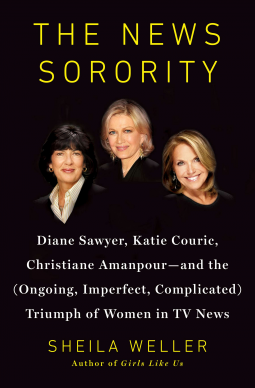
About the book The News Sorority, by Sheila Weller The News Sorority

A provocative look at the three remarkable women who revolutionized television broadcast news

For decades, women battered the walls of the male fortress of television journalism, until finally three—Diane Sawyer, Katie Couric, and Christiane Amanpour—broke through, definitively remaking America’s nightly news. Drawing on exclusive interviews with their colleagues and intimates from childhood on, bestselling author Sheila Weller crafts a lively and eye-opening narrative, revealing the combination of ambition, skill, and character that enabled these three singular women to infiltrate the once impenetrable “boys club” and become cultural icons.

Raised in Louisville, Kentucky, Diane Sawyer was a driven, elegant young woman in a time of societal upheaval. Her fierce intellect, almost insuperable work ethic, and mysterious emotional intelligence would catapult Sawyer from being the first female on-air correspondent for 60 Minutes to presenting heartbreaking specials on child poverty in America while anchoring the network flagship, ABC World News Tonight.

Katie Couric, always convenient l y underestimated because of her girl-next-door demeanor, brazened her way through a succession of regional TV news jobs until she finally hit it big in New York. In 1991, Couric became the Today show cohost, where over the next fifteen years she transformed the “female” slot from secondary to preeminent. Couric’s greatest triumph—and most bedeviling challenge—was inheriting the mantle of Walter Cronkite at CBS Evening News, as the first woman ever to anchor a prestigious nighttime network news program.

A glamorous but unorthodox cosmopolite— the daughter of a British Catholic mother and Iranian Muslim father—Christiane Amanpour made a virtue of her outsider status. She joined the fledgling CNN on the bottom rung and then became its “face,” catalyzing its rise to global prominence. Her fearlessness in war zones and before presidents and despots would make her the world’s witness to some of its most acute crises and television’s chief advocate for international justice.

The News Sorority takes us behind the scenes as never before to track Sawyer’s, Couric’s, and Amanpour’s ascendance to the highest ranks of the media elite, showing that the compelling desire to report the news—a drive born of curiosity, empathy, and humanity—must be matched by guts, awesome competitive fervor, and rare strategic savvy.


My Thoughts

I was offered this book by a publicist who found my blog, probably through some other review campaign, and I leaped at it, because I read Sheila Weller’s previous book Girls Like Us (about women in music) and loved it. I’ve also interviewed her for All Things Girl so, I sort of knew what to expect.

I was not disappointed.

Weller takes us through the lives of three women at the forefront of news media – Christiane Amanpour, Katie Couric, and Diane Sawyer – weaving them in and out of each other, and letting us see them as girls, as women, as people, as the faces of the news.

I enjoyed learning more about these women, all of whom I’ve watched since forever, and I also enjoyed Weller’s narrative style. She makes biography read like a novel, and is always candid but seems to make an effort to do so from a place of kindness. You can tell that she may not always agree with her subjects, but she always respects them.

If you want to feel as if you truly know these women, read this book. You’ll laugh, you’ll cry, and you’ll never look at television journalism the same way again.

A Breast Cancer Alphabet, by Madhulika Sikka (@madhulikasikka) – Review

About the book, A Breast Cancer Alphabet A Breast Cancer Alphabet

Hardcover: 224 pages
Publisher: Crown; First Edition edition (February 25, 2014)

From NPR News executive editor comes an indispensable and approachable guide to life during, and after, breast cancer.

The biggest risk factor for breast cancer is simply being a woman.  Madhulika Sikka’s A Breast Cancer Alphabet offers a new way to live with and plan past the hardest diagnosis that most women will ever receive: a personal, practical, and deeply informative look at the road from diagnosis to treatment and beyond.

What Madhulika Sikka didn’t foresee when initially diagnosed, and what this book brings to life so vividly, are the unexpected and minute challenges that make navigating the world of breast cancer all the trickier.  A Breast Cancer Alphabet is an inspired reaction to what started as a personal predicament.

This A-Z guide to living with breast cancer goes where so many fear to tread: sex (S is for Sex – really?), sentimentality (J is for Journey – it’s a cliché we need to dispense with), hair (H is for Hair – yes, you can make a federal case of it) and work (Q is for Quitting – there’ll be days when you feel like it).  She draws an easy-to-follow, and quite memorable, map of her travels from breast cancer neophyte to seasoned veteran.

As a prominent news executive, Madhulika had access to the most cutting edge data on the disease’s reach and impact.  At the same time, she craved the community of frank talk and personal insight that we rely on in life’s toughest moments.  This wonderfully inventive book navigates the world of science and story, bringing readers into Madhulika’s mind and experience in a way that demystifies breast cancer and offers new hope for those living with it.

Buy, read, and discuss A Breast Cancer Alphabet

Amazon | Books-a-Million | Goodreads


About the author, Madhulika Sikka Madhulika Sikka

MADHULIKA SIKKA is a veteran broadcast journalist with decades of experience. Among other media outlets, she has worked at NPR News and ABC News.

Connect with Madhulika

Website | Twitter


My Thoughts

There are two ways to read A Breast Cancer Alphabet. You can read it straight through, in which case it feels very much like one woman’s memoir of a trip down breast cancer lane, at times witty and at other times poignant, and mostly a mixture of both. Alternately, you can read the introduction, and then flip through the actual alphabetized entries at random, going forward and backward as your mood dictates. Either way, you’re likely to learn something new, either about breast cancer, or about the woman who wrote the book, journalist Madhulika Sikka.

Either way, what you’ll find is information that is witty and engaging, but also honest and useful about this disease that affects so many of us, across cultures, heedless of age, income level, or geography.

To be honest, it’s not the kind of book you sit down and read straight through, like a novel. Even if you read it in order, it’s probably best in small doses…it makes a great “bathroom book” in that way. (Which is not to denigrate the author or the book – I get the majority of my reading done by multitasking in the bathroom or in the actual bathtub.)

It would make a great gift for the mother, daughter, or sister of someone going through breast cancer, or someone who’s just been diagnosed, and it’s designed to feel almost like a journal, and not at all like the encyclopedia of a malady it could easily has become.

All around us are companies pushing pink products because it’s October. Most of them use Breast Cancer Awareness Month as just another marketing ploy. If you really want to think pink this fall – or at any time of year – I heartily suggest this book. Not only will it help you, or someone you love, you’ll also be supporting another woman.

Sisterhood is never something to look away from.

Goes well with a strawberry milkshake. Or a lot of liquor.


TLC Book Tours

This review is part of a blog tour sponsored by TLC Book Tours. For the complete list of tour stops, see below. For more information, click HERE.

Wednesday, October 1st: The Reading Date 

Thursday, October 2nd: Peeking Between the Pages

Friday, October 3rd: Guiltless Reading spotlight/excerpt

Monday, October 6th: WV Stitcher

Tuesday, October 7th: Lisa’s Yarns

Wednesday, October 8th: Sharon’s Garden of Book Reviews

Wednesday, October 8th: Life is Story

Thursday, October 9th: Melanie’s Muse

Friday, October 10th: Bibliotica

Monday, October 13th: A Chick Who Reads

Tuesday, October 14th: Nightly Reading

Thursday, October 16th: Back Porchervations

Monday, October 20th: Lesa’s Book Critiques

Monday, October 20th: From the TBR Pile

Tuesday, October 21st: Sincerely Stacie

Tuesday, October 21st: My Shelf Confessions

Thursday, October 23rd: Luxury Reading

Monday, October 27th: Patricia’s Wisdom

Review: Daring: My Passages, by Gail Sheehy (@Gail_Sheehy)

About the book, Daring: My Passages Daring: My Passages

• Hardcover: 496 pages
• Publisher: William Morrow (September 2, 2014)

The author of Passages, a book that changed millions of lives, now lays bare her own life passages in a captivating memoir that reveals her harrowing and ultimately triumphant path from groundbreaking 1960s “girl” journalist to fearless bestselling author who made a career of excavating cultural taboos—from sex, menopause, and midlife crisis to illness, caregiving, and death. Daring to blaze a trail in a “man’s world,” Gail Sheehy became one of the premier practitioners of New Journalism at the fledgling New York magazine, along with such stellar writers as Tom Wolfe, Gloria Steinem, and Jimmy Breslin. Sheehy dared to walk New York City’s streets with hookers and pimps to expose violent prostitution; to march with civil rights protesters in Northern Ireland as British soldiers opened fire; to seek out Egypt’s president Anwar Sadat when he was targeted for assassination after making peace with Israel; and to break the glass ceiling in a media world fueled by testosterone, competition, and grit.

Daring: My Passages is also the beguiling love story of Sheehy’s tempestuous romance with Clay Felker, the charismatic creator of New York magazine and the mentor who inspired her to become a fearless journalist who won renown for her penetrating character portraits of world leaders, including Hillary Clinton, both Presidents Bush, British prime minister Margaret Thatcher, and Soviet premier Mikhail Gorbachev, among others.

Sheehy reflects on desire, ambition, and wanting it all—career, love, children, friends, social significance—and coming to terms with waiting until midlife to achieve it all. With candor and humor, she describes her early failures; the pain of betrayal in a first marriage; her struggles as a single mother; the flings of an ardent, liberated young woman; the vertigo of becoming an internationally bestselling author; her adoption of a second daughter from a refugee camp; the poignant account of Clay’s decline; and her ongoing passion for life, work, and love.

Fascinating and no-holds-barred, Daring: My Passages is a testament to guts, resilience, and smarts, and offers a bold perspective on all of life’s passages.

Buy, read, and discuss Daring: My Passages

Amazon | Barnes & Noble | IndieBound


About the author, Gail Sheehy Gail Sheehy

Gail Sheehy is the author of sixteen books, including the classic New York Times bestseller Passages, named one of the ten most influential books of our times by the Library of Congress. A multiple award-winning literary journalist, she was one of the original contributors to New York magazine and has been a contributing editor to Vanity Fair since 1984. A popular lecturer, Sheehy was named AARP’s Ambassador of Caregiving in 2009. She lives in New York City.

Connect with Gail

Website | Facebook | Twitter


My Thoughts:

I remember being six or seven years old and hearing my mother talk about this book called Passages with her girlfriends. “Read it,” she would tell them, “and make it your Bible.”

While I often stole reading material from my mother, even then (by the time I was ten we would be in a monthly race to see who got first crack at Redbook and Ms.), I confess, Passages was not one of the books I ‘borrowed.’ I think I was a little too young, and more interested in getting to the part of The Hardy Boys novel where Frank and Joe find out why the room had no floor.

I also confess that for some time I thought Passages was one of those nice-lady inspirational books, never mind that my mother is – and always has been – a fierce woman who would often remind me that, “Ladies are women who don’t have to work,” and who gave me her original copy of Our Bodies, Ourselves when I turned sixteen, following up with the then-current version when I turned twenty-one. I mean…this was not a woman who would read and respond to some namby-pamby nice-lady book.

But the title stuck with me, in the back of my head, so when the awesome women at TLC Book Tours invited me the chance to review the memoir of the author of the book that had so influenced my mother’s life, I HAD to say yes.

Wow! Am I glad I did, because Gail Sheehy has had a really interesting life, and she tells her story with a voice that is both strong and confident as well as witty and wry, all qualities that she’s obviously honed through her incredible career. I sat down with this book at the beginning of the week, and read it as if it were a novel. I was gripped. I was hooked. I wish Gail Sheehy would live to be a thousand so that she could write fifty more amazing memoirs. (Can you tell I was a Theatre major and am not so good with the math?)

Daring: My Passages is more than just one woman’s memoir. It’s a glimpse at the early days of American feminism, at the civil rights movement, and at how our society continues to change and evolve. And for the sense of history alone, it’s worth the read, especially for women, and most especially for young women, who are being told that feminism means hating men (it doesn’t) or that it’s somehow wrong (it’s not.)

As well, though, it’s the poignant story of a woman, who shares the universal struggles we all share – finding her voice, finding her place in the universe, growing up, growing older, dealing with parents who are human and flawed and inconsistent…as well as those struggles that are uniquely her own: making a name in journalism, and later as an author of books, navigating workplace romances that become life-long relationships, and dealing with a partner whose health is being eroded away.

It is the combination of the universal and the unique, the public and the personal that make Daring: My Passages such a compelling read. And read it you simply must.

As an aside, one of my favorite novels as I was growing up (around the time I was fourteen or fifteen, I think) was Allen Drury’s Anna Hastings: the Story of a Washington Newspaperperson, and there were times when I wondered if Gail Sheehy might have been one of the people who inspired Anna’s character.

Goes well with a perfectly cooked steak with sauteed mushrooms, potatoes mashed with gouda, and an endive salad, and either a J&G or a glass of Scotch.


TLC Book Tours

This review is part of a blog tour sponsored by TLC Book Tours. For more information and the complete list of tour stops, please click HERE.

Guest Post: Austin Washington, author of The Education of George Washington

The Education of George Washington

Guest post by author Austin Washington

Dance Your Way to Being President (by Reading a Book)
The Education of George Washington gives unique, original, and new insight into how George Washington turned himself into the George Washington we all know. That is, it shows how George Washington, the awkward, too tall kid who wrote dorky love poems, whose father died when he was only eleven, whose family no longer had enough money to send him to the private school in England his older half brothers had gone to –  how this mostly uneducated guy bought a guide to greatness from his cousin when he was fifteen, and thus became the George Washington we’ve all heard of.

Actually, even before the parts of his life most people have at least heard of, George Washington became known as the best dancer in Virginia. Becoming great was a life long process. It’s interesting, by the way, once you learn a bit about Virginia at that time, why being a good dancer was important there.  Also, George was known as a great athlete, he was admired by women – basically, he was a star, long before he became a legend.

George Washington’s guide to greatness has been called a “groundbreaking new discovery”, that had been unknown by all previous biographers. George Washington got, when he was fifteen, a kind of proto Tony Robbins book, with a huge difference. The modern self help movement, the apotheosis of which, I’d say, is the almost unreadable book The Secret – unreadable simply because it is so poorly written – has a philosophy underlying it that has some truth to it. But that doesn’t make it good or right.

In essence, stripped bare, that philosophy says something like, “I saw a red Ferrari on TV, and wow, do I want one. If I wish and hope and pray, by God, I’ll get one. Maybe I’ll have to work a little, too.”

George Washington’s guide to greatness flips this on its head.  The idea is, if I listen to the voice of Providence, while simultaneously learning how the knowledge of what is good and great has been refined and distilled by our greatest civilisations, and if I internalise this, I might be onto something.

It’s not about greed, or materialism, but self sacrifice. The ultimate result, if you really “get it”, is you become not just good, but great. Greatness has its own rewards, which, coincidentally, often have a material component.

But you don’t end up like Donald Trump. You end up like, well, like George Washington. I mean, even only at the surface, at material things, look at Mount Vernon itself. It’s dignified, not gaudy. This is a reflection of something underlying, and deeper.

I spent three years, and three drafts, distilling this wisdom, then soaking the adventure  of George Washington’s life in it, so that you almost subliminally gain and understand what George Washington gained and understood, while being taken on the journey of his life.

Ultimately, The Education of George Washington is probably not for you. But it might be. It all depends. Would you prefer a red Ferrari, or, on the other hand, the material rewards you’ll get if you become great. (Material rewards are beside the point. It’s what you become that matters. The rest is just icing on the cake.)

Although, perhaps this is an unrealistic goal for a book.  One of the first reviewers called it “The best book ever written about the Father of Our Country,” then wrote me a personal note saying his review “did not do the book justice”. Well, even if my illusions about The Education of George Washington actually changing lives are wishful thinking , being “the best” in at least one reviewer’s opinion isn’t bad, I suppose.

Still, without a father, with very little formal education, starting out relatively poor, George Washington turned himself into “George Washington” with little but a book as a guide (which is included, in full, at the end of my book, by the way.) I do know that I  have actually changed because of what I learned, through writing it. Although, come to think of it,  I’m not President yet. But I am a good dancer.

Well, there’s time. What about you?


About the Author, Austin Washington

Austin Washington

Austin Washington is the great-nephew of George Washington. He earned his masters and did post-graduate research focusing on colonial American history, and is a writer, musician, entrepreneur and global traveler. He returns to an old Virginia family home whenever he can. Austin’s first book takes a common criticism of his academic writing – “You’re not writing a newspaper editorial, you know!” – and turns it into a virtue, taking a subject dry and dusty in other’s hands and giving it life. He has lived abroad much of his life, most recently in Russia, and visits friends from Sicily to Turkey to Bangladesh and beyond. His earliest influences as a writer were Saki, Salinger, and St. Exupery, although in more recent years he has got beyond the S’s. As for historians, he is partial to the iconoclast Gibbon, who wrote history to change the future.

Learn more about Austin

Web | YouTube


About the book, The Education of George Washington

The Education of George Washington

In Austin Washington’s new book, The Education of George Washington, readers will learn all about President Washington’s true model of conduct, honor, and leadership, including the actual historic document that President Washington used to transform his life from a poorly educated child of a widowed mother, to the historic, curious, highly influential and awe inspiring figure he became and remains today.

Read and Discuss The Education of George Washington

Amazon | Barnes & Noble | Discuss at Goodreads


Read an Excerpt from The Education of George Washington


“I Cannot Tell a Lie”— the Cherry Tree Story Is True (but Different from How You Heard It)

“What shall I say of the Nobleness of his Mind; and of that Character of Honor, Truth and Justice, which was so Natural to him . . . incapable of the Dissimulation, and other sordid Arts of Court. He could not promise what he did not intend to perform.” —H. de Luzancy, A Panegyrick to the Memory of His Grace Frederick, Late Duke of Schonberg

Parson Weems was married to the wife of a cousin of George Wash- ington’s close friend, Dr. James Craik. Parson Weems knew George Washington. Parson Weems preached at George Washington’s church. So why all the hating? The tale of George Washington and the cherry tree has been mistold for two hundred years—and thus mistakenly criticized, as people have been criticizing a story that Parson Weems never told. Still, despite all the debunking, the story of George Washington and the cherry tree is almost as iconic in America as Santa Claus and his elves. It therefore seems worthwhile to spend a little time explaining how we can say with certainty that yes, Virginia, the story of George and the cherry tree is true (but no, it’s not the story you’ve heard).

For those non-Americans out there, the story, in essence, is this: George Washington, when he was a small child, chopped down a cherry tree with a hatchet. When confronted by his father, he confessed, “I can- not tell a lie. I did it with my little hatchet.”

That’s the story. (Not much of a story, is it? But the story of the story could change your life.)

No one in America believes it any more. We’ve all been told ad nauseam that the whole story is a pious fable—a confabulation invented by Parson Weems.

What’s wrong with the story? Why can’t we trust Parson Weems?

We obviously can’t trust him because he admired George Washing- ton. No, honestly, that’s a big part of the argument. Parson Weems is a fanboy and therefore can’t be trusted. The generally accepted idea, expressed by Wikipedia, is this: “Weems also called Washington the ‘greatest man that ever lived.’ This degree of adulation, combined with the circumstance that his anecdotes cannot be independently verified, demonstrates clearly that they are confabulations and parables.”

But wait just a minute.

1. I’d always thought ad hominem attacks were a logical fallacy.

2. If something that cannot be independently verified is, ipso facto, not true, then all trees falling in all forests are always silent. That’s just silly.

3. Actually, the story can be independently verified. Beyond that, it passes the sniff test. Pretty clearly.

The Education of George Washington